
he European U17 Championship rarely makes headlines beyond its own borders, yet its final whistle often marks the first chapter of careers that define the next decade of international football. Spain's 3-1 victory over France in the 2023 final in Budapest offered a case study in how a single tournament can reshape squad hierarchies. Lamine Yamal, then 15, skipped past three defenders in the 78th minute to seal the win—a moment now replayed in scouting reports from Manchester to Munich.Short-term roster logistics shape this competition more than any senior equivalent. Coaching staffs juggle 22-player squads while clubs refuse to release certain players for group stages that clash with domestic playoffs. England's 2022 squad, for example, lost two key midfielders before kickoff because Premier League academies prioritised end-of-season fixtures. That friction creates an oddly volatile playing field: a team's depth is tested every 48 hours, and recovery protocols (ice baths, sleep tracking。tactical walkthroughs at 7 a.m.) often matter as much as starting XI selection.Watch a European U17 Championship match closely and the tactical paradox becomes obvious. These are teenagers, yes—their decision-making wobbles under pressure, and set-piece defending can look chaotic. Yet pressing structures and positional rotations frequently mirror senior club systems。
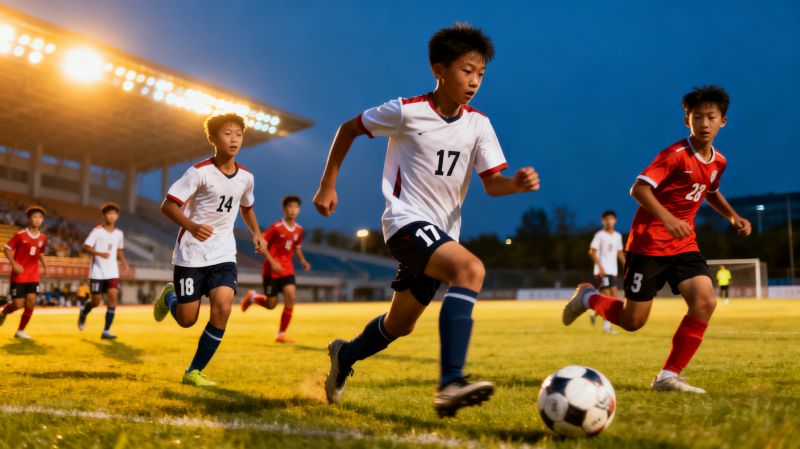
because national federations hire specialised youth coaches who drill automated patterns from age 14. Portugal's 2024 campaign stood out less for individual flair than for how quickly their backline shifted from a 4-3-3 to a 3-2-5 in possession. That adaptability, I'd argue, matters more than raw technique at this level.Scouting dynamics add a layer of quiet tension. Technical directors from top-five leagues watch from the stands with clipboards, but they're tracking recovery sprints and communication volume as much as goals. A striker who scores five in the group stage but walks during defensive transitions gets flagged. Conversely, a centre-back who wins 80% of aerial duels against physically mature opponents from Serbia or Ukraine often attracts immediate contract offers. The European U17 Championship functions as a pressure test for psychological resilience, not just a skills showcase.